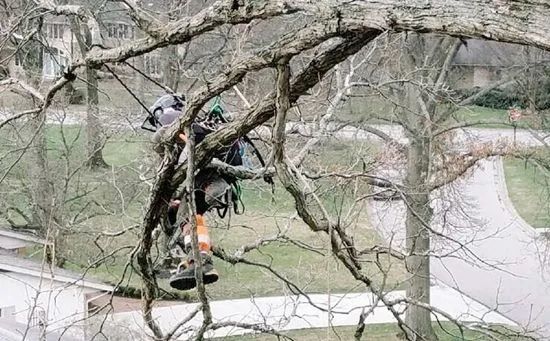
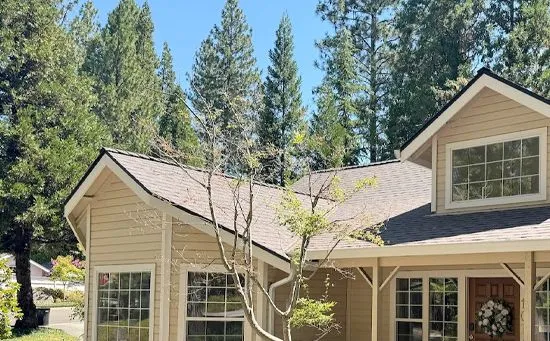
Pruning is a precise practice that affects a tree’s health, structure, and long-term stability. While it may be tempting to handle pruning yourself, hiring an ISA-certified arborist ensures the job is done safely and correctly. At Sure Shot Forestry, we provide expert tree pruning in the greater Grass Valley, CA area. Here are four reasons why it’s worth having an ISA-certified arborist prune your trees. Promotes Healthier Growth Proper pruning helps trees grow stronger and healthier over time. An ISA-certified arborist understands how to remove dead, diseased, and damaged branches without harming the tree. They also know how to thin the canopy to improve airflow and sunlight penetration. This reduces the risk of disease and encourages balanced, vigorous growth. Incorrect pruning, on the other hand, can stress a tree and lead to long-term health problems. Enhances Safety on Your Property Overgrown or weakened branches can pose a serious safety risk, especially during high winds. Dead limbs can fall suddenly, potentially causing injury or damage to your home. A certified arborist can identify hazardous branches and remove them safely. They also ensure proper clearance from roofs, driveways, and power lines, helping to reduce the risk of accidents. Improves Tree Structure and Appearance Pruning is not just about removing branches—it’s also about shaping the tree for better structure and aesthetics. An ISA-certified arborist can guide the growth of young trees and correct structural issues in mature ones. This results in a more balanced, visually appealing canopy. Well-maintained trees can significantly enhance your property’s curb appeal. Prevents Costly Damage and Mistakes Improper pruning techniques can cause significant damage to a tree. Over-pruning or making incorrect cuts can weaken the tree and make it more vulnerable to pests and disease. In some cases, poor pruning can even lead to the need for removal. Hiring a certified arborist helps you avoid these costly mistakes. Their expertise ensures that pruning is done correctly, preserving the tree’s health. Professional Tree Pruning in Grass Valley, CA For ISA-certified arborist services in Grass Valley, CA and the surrounding area, contact Sure Shot Forestry at 530-471-9996 . Feel free to give us a call to arrange an arborist estimate in the greater Grass Valley, CA area !
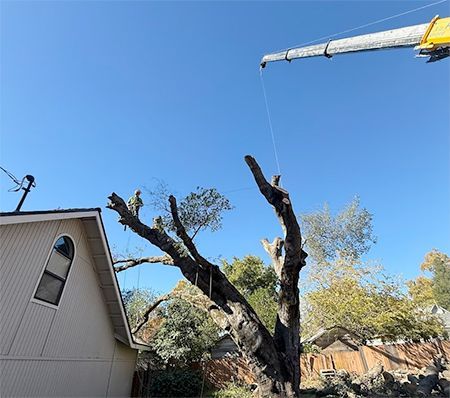
Knowing when a tree has become a safety concern can help prevent costly damage and dangerous situations. At Sure Shot Forestry in Grass Valley, California, we regularly help property owners determine whether a tree can be safely maintained or if removal is the responsible option. While many tree issues develop slowly, certain warning signs indicate immediate or growing risk. Below are the top five signs it may be time to remove a tree for safety reasons. Visible Decay or Rot in the Trunk Decay is one of the most serious indicators of a hazardous tree. Cavities, hollow areas, soft or crumbling wood, and fungal growth such as mushrooms at the base of the tree often signal internal rot. Even if the tree still appears healthy on the outside, internal decay can compromise its structural integrity and greatly increase the risk of failure. A Sudden or Increasing Lean Trees that suddenly begin leaning, or lean more than they previously did, should be evaluated promptly. Soil lifting around the roots or exposed root systems can indicate root failure. While some trees naturally grow at an angle, a noticeable change often points to instability, especially following storms, heavy snow, or saturated ground conditions. Large Dead or Falling Limbs Dead branches, particularly large ones, pose an immediate safety hazard. Falling limbs can damage roofs, vehicles, power lines, and injure people below. Multiple dead limbs throughout the canopy may also indicate overall decline, increasing the likelihood of full tree failure over time. Cracks or Splits in the Trunk Deep cracks, vertical splits, or open seams in the trunk are signs that a tree may no longer be able to support its own weight. These defects weaken the structure and can worsen rapidly under stress from wind or snow, making the tree unpredictable and unsafe. Root Damage or Uprooting Roots provide stability and nutrient uptake. Construction activity, erosion, fire damage, or visible root decay can severely compromise a tree’s ability to remain upright. Trees with damaged root systems are far more likely to fail without warning. If you’re unsure about the condition of a tree on your property, professional evaluation is critical. Sure Shot Forestry proudly serves Grass Valley and surrounding Northern California communities with experienced, safety-focused tree services. To schedule an assessment and determine the safest course of action for your trees, please call 708-316-7922 to connect with our team.